
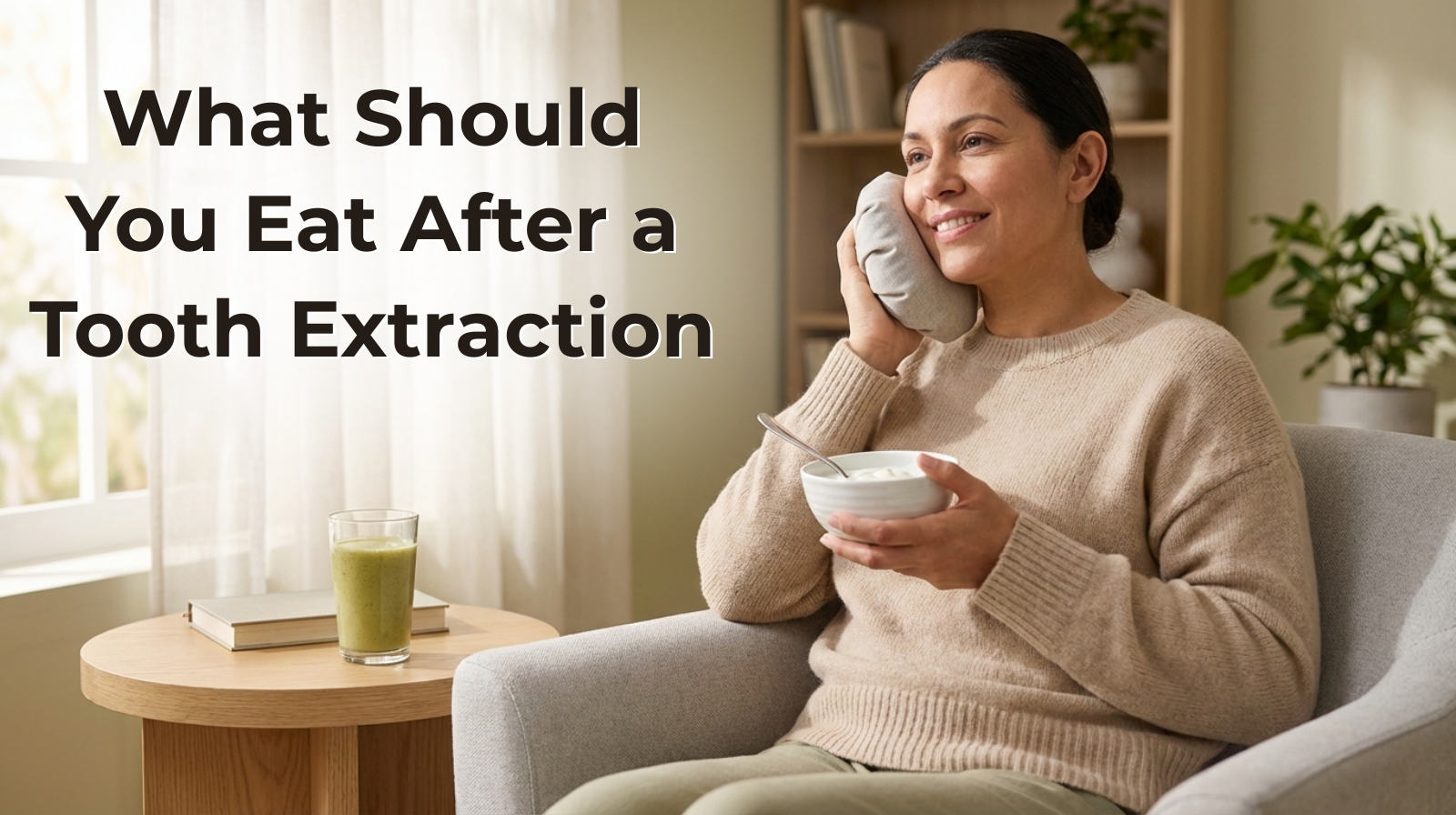
Having a tooth removed can feel like a big step — whether it’s due to decay, infection, wisdom tooth problems, or preparation for dental implants. While the procedure itself is important, what you eat after your tooth extraction also plays a major role in how quickly and comfortably you heal.
The right food choices can significantly speed up your healing process and help you avoid complications. At Warwick Lodge Dental, we often remind patients that proper aftercare begins the moment your procedure is complete and continues throughout the healing process. In this comprehensive guide, we’ll walk you through exactly what to eat after a tooth extraction, what to avoid, and how your diet should progress during recovery.
Why Your Diet Matters After a Tooth Extraction
Your mouth needs specific nutritional support to heal properly after an extraction. The empty socket where your tooth once sat is essentially an open wound that requires time and the right conditions to close up safely.
Eating the wrong foods too soon can lead to serious complications:
Dry socket (alveolar osteitis) is one of the most painful complications that can occur when the protective blood clot becomes dislodged. This exposes the bone and nerves underneath, causing severe pain and delaying healing by days or even weeks.
Infection can develop if food particles become trapped in the extraction site, allowing bacteria to enter the healing tissue.
Delayed healing occurs when the extraction site is repeatedly irritated by hard, crunchy, or sharp foods that disrupt the natural healing process.
Beyond avoiding complications, the right nutrition actually promotes faster healing. Your body needs adequate protein to rebuild tissue, vitamin C for collagen production, and sufficient calories to fuel the repair process. Making smart food choices means you’ll not only feel more comfortable but also heal more quickly.
How Your Diet Should Progress After a Tooth Extraction
Healing happens in stages, and your food choices should adapt accordingly.
Immediately After Your Tooth Extraction
The immediate post-extraction period is critical. Your mouth is still numb from the anaesthetic, and a blood clot is forming in the empty socket. This clot is essential for proper healing.
What you should do:
- Avoid eating anything until the numbness wears off completely
- Stick to cold water or ice chips if you’re thirsty
- Keep the gauze in place as directed by your dentist
- Rest with your head elevated
During this time, focus on resting and allowing that crucial blood clot to form undisturbed.
The First 24–48 Hours
The first two days are the most critical healing period and set the foundation for your overall recovery.
Best food choices:
- Smoothies and protein shakes(without a straw)
- Cold soup (not hot!)
- Ice cream and yoghurt (the cold helps reduce swelling)
- Mashed potatoes (let them cool to room temperature)
- Applesauce and pureed fruits
- Scrambled eggs (soft and protein-rich)
Tips:
- Chew on the opposite side
- Eat slowly
- Keep food away from the extraction site
- Stay hydrated
3–7 Days After Extraction
By day three, the initial healing has begun, but the extraction site is still delicate. You can now introduce slightly more substantial foods, but they should still require minimal chewing.
You Can Start Introducing:
- Pasta cooked until very soft
- Soft white fish that flakes easily
- Well-cooked vegetables mashed or finely chopped
- Minced meat in gravy or sauce
- Omelettes
- Soft rice
Eating tips:
- Cut food into very small pieces
- Continue avoiding the extraction site when chewing
- Stay hydrated with plenty of water
- Maintain good oral hygiene
After One Week
Most patients can begin transitioning back to their regular diet after seven to ten days, but everyone heals at their own pace. Listen to your body and don’t rush this process.
You can now try:
- Firmer proteins like chicken breast and beef
- Fresh salads without anything too crunchy
- Toast and firmer breads
- Most cooked foods from your normal diet
However, you should still avoid very hard, crunchy, or sticky foods. Complete healing can take several weeks, even if you feel fine.
Foods to Avoid After a Tooth Extraction
Some foods pose particular risks during the healing process. Avoiding these will help ensure smooth, complication-free recovery:
Never During Recovery:
Crunchy and hard foods:
- Nuts, seeds, and popcorn (small pieces can lodge in the socket)
- Crisps and crackers
- Hard toast or crusty bread
- Raw carrots, apples, and other hard fruits and vegetables
- Hard sweets and toffees
Sticky and chewy foods:
- Chewing gum
- Caramels and fudge
- Gummy sweets
- Dried fruits (like raisins or dried apricots)
Spicy and acidic foods:
- Hot curry or spicy sauces (can irritate the wound)
- Citrus fruits and juices (acidic foods can cause stinging)
- Tomato-based sauces
- Vinegar-based dressings
Very hot foods and beverages:
- Hot tea or coffee (can dissolve the blood clot)
- Piping hot soup
- Hot chocolate
Alcohol:
- Can interfere with blood clotting
- May interact with pain medications
- Causes dehydration, which slows healing
Additional Recovery Tips for Optimal Healing
Take prescribed medications: Follow your dentist’s instructions for pain relief and any antibiotics.
Stay hydrated: Drink plenty of water throughout the day, but remember to drink normally, never through a straw.
Don’t rinse vigorously: For the first 24 hours, avoid rinsing completely. After that, gently rinse with warm salt water (one teaspoon of salt in a cup of warm water) after meals.
Rest adequately: Your body heals faster when you’re well-rested. Take it easy for the first few days. Keep your head elevated while resting.
Watch for warning signs: Contact Your Dentist immediately if you experience severe pain, excessive bleeding, signs of infection (fever, pus, or worsening swelling), or if you suspect dry socket.
Final Thoughts
Recovering from a tooth extraction requires patience, but following the right dietary guidelines will make the process much smoother and more comfortable. At Warwick Lodge Dental and Implant Centre, we provide personalised aftercare instructions tailored to your specific treatment — whether it’s a simple extraction or surgical removal. If you’re preparing for an extraction or have concerns about your recovery, our experienced team is here to help.
Have questions about your recovery? Contact Warwick Lodge Dental for personalised advice and support throughout your healing journey.